
Cancún the radical reinvention: Michelin stars, lagoons, Maya train, Costa Mujeres…
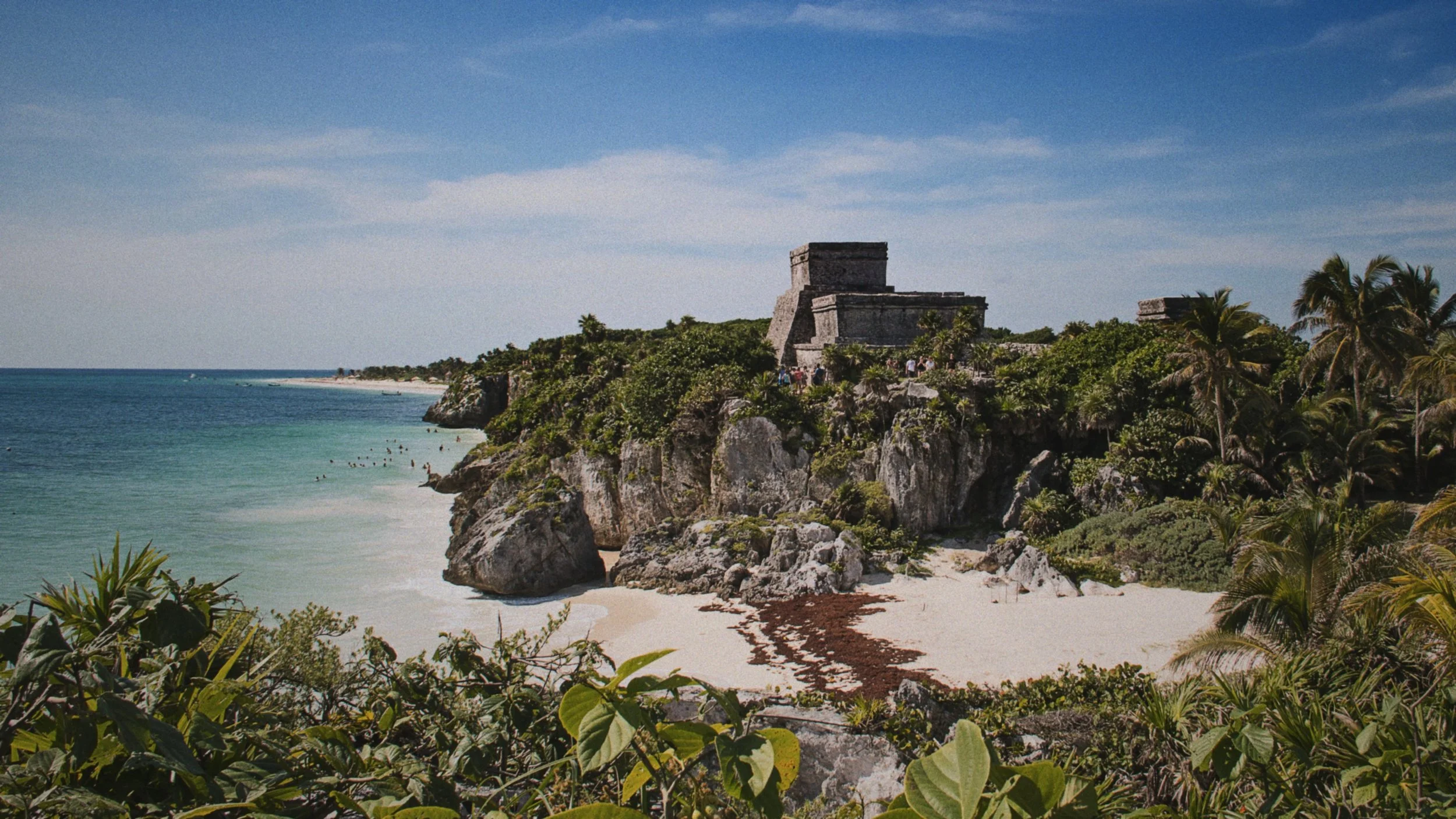
Cancún and Mexico’s continued dominance as the ultimate beach escape stems from a massive pivot toward curated all-inclusive luxury, wellness retreats, and seamless transit infrastructure. While secondary destinations surge based on temporary internet trends, Cancún remains the absolute benchmark for hassle-free international travel. Here are the most insightful spots and trends redefining Cancún right now:
The Maya train expansion (Tren Maya)
The absolute biggest logistical game-changer for Cancún is the fully operational Tren Maya. Travelers are no longer trapped inside the standard "Hotel Zone" corridor. The train seamlessly connects Cancún International Airport directly to hidden Mayan archaeological sites, colonial towns like Valladolid, and the pristine jungles of Palenque. It has allowed major all-inclusive resorts to offer hybrid packages—combining three days of beachfront luxury with two days of deep, inland cultural exploration.
Isla Mujeres & the "Playa Norte" escape
For travelers seeking a pristine beach aesthetic that rivals remote Caribbean islands without leaving the Cancún grid, Isla Mujeres is the primary target. Located just a short 20-minute ferry ride from mainland Cancún, the island is navigated almost entirely via golf carts. Playa Norte is consistently ranked among the best beaches in the world, famous for its incredibly calm, ankle-deep turquoise waters and white sandbars that stretch hundreds of yards out into the ocean.
The riviera Maya Cenotes & Eco-Luxury
The travel surge is heavily driven by a massive cultural shift toward wellness and nature-immersion tourism along the coastline toward Tulum. Travelers are bypassing standard hotel pools to swim in cenotes — massive, freshwater subterranean limestone sinkholes revered by the ancient Maya. Premium resorts are capturing traffic by integrating traditional Mayan wellness rituals, deep-tissue spiritual spa therapies, and eco-certified jungle stays directly into their luxury all-inclusive frameworks.
Cancún is no longer just a destination for college spring breakers or cookie-cutter buffets. It has evolved into a hyper-sophisticated culinary, design, and marine-conservation hub. The deep-dive insights and specific spots redefining Cancún right now:
The Gastronomic Revolution (The Michelin Effect)
Mexico’s culinary scene has experienced a massive global prestige boost with the launch of the Michelin Guide Mexico. Cancún and the surrounding Riviera Maya are no longer viewed as places for generic resort food — they are now elite culinary destinations.
The fine dining shift: Travelers are actively looking for high-end dining experiences that reinvent traditional Mexican ingredients. For instance, HA' Restaurant (located inside Hotel Xcaret Arte) holds a Michelin star for its avant-garde, multi-course contemporary Mexican tasting menu.
Local street food curation: Premium all-inclusive resorts are adapting to "Grocery Store Tourism" and street food trends by bringing authentic, local market stalls—like hand-pressed heirloom corn tortilla stands and cochinita pibil pits—directly onto their luxury properties.
MUSA (The Underwater Museum of Art)
Cancún hosts one of the most unique, eco-conscious marine excursions in the world: the Museo Subacuático de Arte (MUSA). Located in the waters surrounding Cancún and Isla Mujeres, this completely submerged museum features over 500 life-sized, permanent sculptures anchored to the ocean floor. Created using specialized pH-neutral marine concrete, the statues function as artificial reefs. They draw diving crowds away from fragile natural coral structures, allowing them to regenerate while providing a surreal, hauntingly beautiful dive or snorkel experience.
The "adults-only" eco-luxury boom
While Cancún remains a family staple, a massive segment is dominated by travelers seeking secluded, child-free sanctuary spaces. Massive concrete hotel blocks are being replaced by minimalist, low-impact architecture that blends seamlessly into the surrounding mangrove forests and lagoons. Properties in exclusive zones like Playa Mujeres (just north of the main hotel strip) focus heavily on quiet luxury, private plunge pools, and open-air layouts designed around tranquility and digital disconnection.
Cancún is currently undergoing a structural travel shift. Recent soaring resort prices and a slight drop in traditional air traffic are forcing the region to evolve. Instead of just relying on the classic all-inclusive beach day, Cancún is actively reinventing its layout to give travelers deeper value. The major insights and hidden corners defining the destination:
The shift to "Costa Mujeres" (The new luxury strip)
The traditional Hotel Zone — a massive 14-mile strip packed with 35,000 hotel rooms, is facing steep competition from a pristine peninsula located just north of the city center: Costa Mujeres. Major global brands are centering their newest, highly anticipated luxury openings here. Properties like the W All-Inclusive Costa Mujeres and JW Marriott All-Inclusive Costa Mujeres are introducing vast entertainment villages and modern aesthetics designed around seclusion and environmental preservation. Because of its northern geographic positioning, Costa Mujeres features incredibly calm waters and is significantly less impacted by the seasonal sargassum seaweed that occasionally hits the main east-facing Hotel Zone beaches.
The authentic adventure: Nichupté Lagoon
Most people focus strictly on the ocean-side beaches, completely ignoring the massive Nichupté Lagoon that frames the back half of the resort strip. A massive trend right now is renting two-person speedboats to navigate the winding mangrove channels. It functions as a protected natural ecosystem where you can spot diverse bird species, marine life, and small crocodiles, offering a raw slice of nature right alongside the neon lights of the party boulevard.
"El Centro" & Mercado 28 (The local dupe)
As a pushback against inflating resort costs, travelers are actively adopting the "Grocery Store Tourism" mindset and leaving the Hotel Zone to spend their days in El Centro (downtown Cancún). Heading to Mercado 28 offers a sensory maze of authentic Mayan handicraft stalls, local street vendors, and traditional open-air kitchens. Eating regional Yucatecan specialties like cochinita pibil or poc chuc downtown costs a tiny fraction of what the Hotel Zone restaurants charge, giving travelers a major injection of real culture.
The ruins in your backyard: El Rey & San Miguelito
You don't necessarily have to take a grueling, 3-hour day trip all the way out to Chichen Itza to experience history. Cancún has incredibly well-preserved archaeological sites tucked directly between the resorts. Located right in the heart of the Hotel Zone, El Rey archaeological zone features 47 ancient Mayan stone structures and pyramids dating back to the 13th century. It is highly accessible, cheap to enter, and famously populated by hundreds of friendly iguanas.