
The Surabaya shift: How an industrial port city rebranded as Asia’s hottest retro gateway
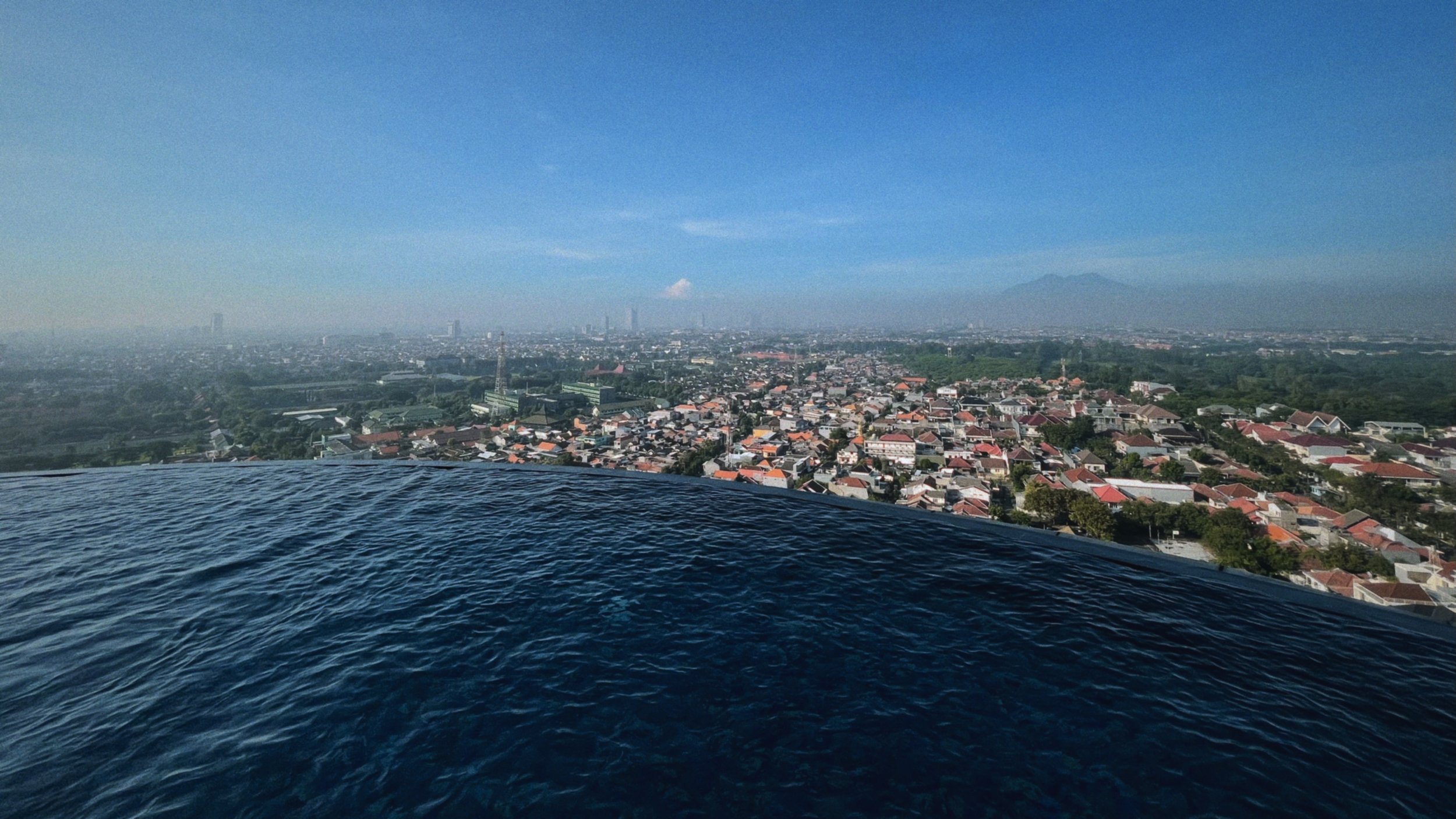
For decades, Surabaya carried a heavy, unyielding reputation. As Indonesia’s second-largest city, it was long painted in shades of industrial grit—a sprawling metropolis of shipping containers, massive naval docks, and corporate boardrooms. For global travelers, it was rarely the destination; it was merely a functional layover or a train transfer point for tourists racing to catch a sunrise over Mount Bromo.
But beneath the shadow of the cranes, a massive city-wide architectural preservation push has quietly flipped the script.
By aggressively salvaging its colonial ruins and leaning hard into industrial-chic aesthetics, Surabaya has successfully engineered the ultimate travel rebrand. Fresh data highlights an explosive week-on-week surge in international flight bookings, cementing Surabaya as one of the fastest-growing "alternative" gateways in the Asia-Pacific region. Move over traditional capitals — Asia’s youth culture has found its new retro muse. Here is how the "City of Heroes" built its spectacular new identity.
Kota Lama: The open-air living museum
The epicenter of Surabaya's rebrand is Kota Lama (Surabaya Old Town). Rather than demolishing its decaying Dutch colonial trading houses to make way for generic glass mega-malls, the city launched an extensive, hyper-focused revitalization project.
The result? A sprawling, open-air living museum that looks like a cinematic time-warp.
The European, Chinatown, and Arab trading quarters have been meticulously scrubbed down and pedestrianized. By day, vintage streetscapes are filled with travelers hopping onto open-top Tourwagen shuttles or joining curated Bersukaria walking tours. By night, the city activates dynamic, dramatic architectural lighting that turns the grand, decades-old facades into highly photogenic backdrops for the city's booming creative youth scene.
Cold War maritime thrills
Surabaya didn't just preserve its pretty buildings — it weaponized its raw, industrial history into quirky tourism gold. Right in the middle of the modern commercial city center sits the Submenu Monument (Monumen Kapal Selam). This isn't a replica; it is a genuine, massive, 76-meter Soviet-built Whiskey-class submarine (KRI Pasopati 410) used by the Indonesian Navy during the height of the Cold War. The city literally sliced the massive submarine into pieces, hauled it inland, and reassembled it on the riverbank. Today, young travelers line up to squeeze through the authentic, claustrophobic iron hatches, inspect the torpedo launch tubes, and peer through a fully functional periscope.
Sunset over shipping cranes: Surabaya North Quay
Proving that modern travel trends favor authentic character over manufactured luxury, the most popular late-afternoon hangout in the city is Surabaya North Quay. Perched on the top floors of a fully active international passenger ship terminal at Tanjung Perak Port, this rooftop viewing deck offers a stark, beautiful contrast of giant sea vessels, massive harbor cranes, and the open ocean. The deck features a massive indoor-outdoor food court where visitors can sit in the sea breeze, sip local iced drinks, and watch international cruise liners glide past the Madura Strait against a dramatic industrial sunset. It is loud, it is raw, and it is effortlessly cool.
Reclaiming the "City of Heroes"
Surabaya’s official nickname has always been Kota Pahlawan (The City of Heroes), born from its fierce, bloody resistance during the Indonesian National Revolution. The heart of that pride sits at Tugu Pahlawan (Heroes Monument), a soaring white obelisk surrounded by manicured lawns. To cater to a new generation, the city built the Museum Sepuluh Nopember completely underground beneath the monument's plaza. The air-conditioned, subterranean space uses cutting-edge holographic displays, light maps, and authentic, remastered audio broadcasts from revolutionary leaders to tell its story. On Sunday mornings, the entire perimeter of the park transforms into a sprawling, high-energy community market. Here, local micro-roasters serve third-wave specialty coffee alongside traditional street vendors hawking Tahu Tek (savory fried tofu and egg skewers with peanut sauce), bridging the gap between old-world heritage and modern youth lifestyle.
Travel verdict
Surabaya’s rapid rise proves that today’s travelers are experiencing "capital city fatigue." The booking surge signals a massive shift toward regional exploration, where travelers actively seek out authentic historic preservation, deep cultural roots, and distinct local character. Surabaya didn't try to hide its industrial past — it polished it, preserved it, and turned it into the ultimate retro destination.
The ultimate Surabaya & Mount Bromo 3-day loop
This high-energy 3-day gateway itinerary seamlessly blends Surabaya’s retro, industrial-chic urban rebrand with an epic midnight dash to the otherworldly volcanic landscapes of Mount Bromo. Because Bromo is only a 2,5-hour drive from Surabaya, pairing them creates the ultimate contrast of vintage city culture and raw natural wonder.
Day 1: Retro architecture & colonial time-warps
08:00 AM – The specialty fuel-up: Start your morning at Djawatan Kopi or a third-wave coffee spot near the center for a modern brew paired with traditional Jajanan Pasar (local rice cakes).
09:30 AM – The Cold War deep dive: Head straight to the Submarine Monument (Monumen Kapal Selam). Squeeze through the iron hatches of the Soviet submarine before the midday heat sets in.
02:00 PM – The open-air living museum: Spend your afternoon exploring Kota Lama Surabaya (Old Town). Book a spot on an afternoon Bersukaria walking tour to navigate the historic European and Chinatown quarters.
05:00 PM – Industrial sunset deck: Take a ride share out to Tanjung Perak Port and ascend to Surabaya North Quay. Grab a fresh coconut or local iced drink at the food court, find a spot on the outdoor deck, and watch the sun drop behind the massive harbor cranes.
08:00 PM – Late night Tahu Tek: Head back into the city for a late dinner of Tahu Tek — Surabaya's iconic fried tofu, egg, and bean sprout dish drenched in a rich, savory petis peanut sauce.
Day 2: Underground History & The Midnight Volcanic Dash
09:00 AM – The subterranean chronicles: Head to Tugu Pahlawan (Heroes Monument). Descend into the fully underground Museum Sepuluh Nopember to explore the high-tech holographic war dioramas.
12:00 PM – The famous duck lunch: Grab lunch at Bebek Sinjay or Bebek Palupi to experience authentic East Javanese fried duck served with fiery, tart mango sambal (sambal pencit).
03:00 PM – Rest & recharge: Head back to your hotel for a serious nap. You will be waking up in the middle of the night for Bromo!
11:30 PM – The midnight departure: Your private 4x4 Jeep transport picks you up directly from your Surabaya hotel to begin the 2,5-hour drive into the rugged Tosari/Cemoro Lawang highlands of Mount Bromo.
Day 3: The sunrise over Mars & return
03:30 AM – Climbing the viewpoint: Swap from your highway car to a rugged 4x4 Jeep. Ascend the steep, winding mountain tracks to the Penanjakan Sunrise Viewpoint. It will be freezing cold — rent a heavy winter jacket from the local vendors at the top.
05:15 AM – The ultimate sunrise view: Watch the sun rise over the spectacular Bromo Caldera. The view of Mount Bromo and the smoking Mount Semeru piercing through a thick blanket of morning mist looks entirely like the surface of Mars.
07:30 AM – Crossing the Sea of Sand: Jump back in the Jeep and roar down into the Laut Pasir (Sea of Sand). You can hike or take a horse ride across the volcanic plain to climb the 250 concrete steps leading directly to the rim of Bromo's active, roaring crater.
11:00 AM – Highland brunch: Head to a mountain lodge in Cemoro Lawang for a hearty breakfast of Nasi Goreng and hot tea.
03:00 PM – Return to Surabaya: Drive back down the mountains, arriving in Surabaya by mid-afternoon just in time to catch an evening flight out or catch a high-speed train to Yogyakarta.
Essential packing & booking tips
Temperature shock: Surabaya is hot and humid (~32°C / 90°F), but the Mount Bromo summit drops down to 5°C to 10°C (41°F - 50°F) before sunrise. Pack layers, a warm beanie, and sturdy sneakers.
Jeep bookings: Do not try to wing the Bromo transport. Book a comprehensive "Surabaya-Bromo midnight tour" package online in advance. This ensures a seamless handoff between your city driver and the specialized mountain Jeep captains.
The coolest boutique hotels in Surabaya that fit this retro, design-forward vibe
Here are the absolute coolest, design-forward boutique hotels in Surabaya that perfectly mirror the city’s retro, industrial-chic rebrand. They offer incredible character, stellar service, and place you right in the action for your 3-day itinerary.
The living history option: Hotel Majapahit Surabaya MGallery
If you want to live out the absolute pinnacle of Surabaya's historical rebrand, this is the definitive choice. A legendary, palatial 1910 Art Deco masterpiece originally built by the famous Sarkies brothers (the same duo behind Raffles Singapore). It features immaculate white arches, polished terrazzo floors, and sprawling, tranquil tropical courtyards. This building is a historic monument in its own right. It was the exact site of the infamous "Yamato Incident" in 1945, where local youth tore the blue strip off the Dutch flag to fly the red-and-white Indonesian flag. Dead-center on Tunjungan Street, putting you walking distance from the city's coolest new late-night retro cafes and third-wave coffee roasters.
The 1920s mercantile boutique: Kokoon Hotel Surabaya
Unlike sterile modern high-rises, this boutique gem drops you directly into the architecture of the city's golden era. Here is why it works perfectly for retro-youth-culture. Housed in a beautifully preserved, historic 1920s building right in the middle of Surabaya’s old mercantile district, it perfectly evokes a nostalgic, vintage colonial charm. Step inside, and you’re greeted by grand arched entranceways, classic checkered tilework, and atmospheric retro lighting. The property acts as the ultimate launchpad for the city's youth revival movement. It stands out as the primary boutique heritage hotel in North Surabaya offering immersive historic walking tours directly from the front lobby into the surrounding old commercial quarters. After a long day of exploring, you can dive into The Arch Bistro — a heavily stylized vintage eatery serving authentic Javanese comfort food — or swim laps in their modern outdoor pool that stands in sharp, beautiful contrast to the historic building lines.
The retro-minimalist oasis: Vasa Hotel Surabaya
If you want slick, modern luxury with a distinct mid-century architectural soul. Clean lines, soaring glass walls, and a beautiful blend of organic wood textures and brushed steel. It feels exceptionally fresh, bright, and upscale. After a grueling, freezing midnight trek to the top of Mount Bromo on Day 3, this is the ultimate sanctuary to return to. The rooms feature massive, deep-soaking bathtubs and floor-to-ceiling city views. Home to some of the best high-end dining concepts in West Surabaya, giving you instant access to a massive post-trek feast without leaving the property.
Let’s expose the newer hotspots driving Surabaya's youth revival right now
These spaces highlight exactly how the city blends high-contrast edge, dark academia history, and hyper-vibrant street culture. Here are the coolest newly trending hotspots in Surabaya:
The Tunjungan Street night revival
While we previously highlighted the historic side of town, the absolute heartbeat of Surabaya’s current youth subculture is Jalan Tunjungan. By day it’s a bustling commercial street, but after dark, it completely transforms into a high-energy neon strip lined with indie boutiques, third-wave coffee concepts, and vintage aesthetic cafes. Spots like Ludic Cafe Tunjungan and Paper Cup Coffee are packed nightly with creative youth, digital nomads, and travelers. Think vintage Art Deco facades housing cutting-edge espresso bars, retro photobooths, live acoustic street sessions, and open-air seating where people-watching is the primary activity.
The ultimate dark academia: Museum Etnografi
Tucked inside the campus of Airlangga University, the Museum Etnografi dan Pusat Kajian Kematian (The Ethnographic Museum and Center for Death Studies) has gone massively viral among travelers looking for alternative, counter-culture spots. Deeply educational, intensely fascinating, and undeniably macabre. It is the only museum in Indonesia completely dedicated to the cultural anthropology of death, burial rituals, and human remains. Far from a standard history museum, it houses authentic traditional burial structures from across the Indonesian archipelago, ancient skeletal remains, and interactive exhibits explaining the forensic and cultural significance of how different tribes honor the dead. It’s a spectacular addition for travelers seeking highly unconventional, deep-dive cultural roots.
The revolutionary backstreets: Peneleh Heritage Village
If you want to experience where the retro revival feels the most authentic, dive into the tight labyrinth of the Kampung Wisata Heritage Peneleh. A dense, historic residential neighborhood crossed by the ancient Kalimas river where stepping into the alleyways feels like walking through a living history book. Within a three-block radius, you can visit the Museum H.O.S. Tjokroaminoto (the boarding house where Indonesia's founding fathers lived and plotted revolution), the humble Birthplace of Soekarno, and the highly atmospheric Makam Peneleh Belanda — a massive, hauntingly beautiful 19th-century European colonial cemetery hidden right behind neighborhood walls.
Three final insider elements
To truly wrap this mind-blowing trip and elevate it from a great vacation to a flawless, legendary adventure, we just need to account for the specific street foods that define the midnight culture, the perfect timing tips, and a vital souvenir rule. Here are the last missing pieces of the Surabaya puzzle to guarantee an unforgettable experience:
The culinary nightcaps (What to eat after dark on Jalan Tunjungan)
You cannot say you experienced Surabaya's without hitting these exact night food rituals after strolling the neon strip:
Rawon Setan (Devil’s Rawon): Surabaya is the birthplace of Rawon — a rich, jet-black beef soup made with the earthy kluwek nut. The most legendary late-night spot is Rawon Setan, located right in the center city. It opens late into the night and gets its name because the fiery sambal is wickedly spicy. It is the ultimate local comfort food after a long night out.
Sego Sambal HoHa: A legendary street tent specializing in raw, intensely spicy fresh sambal draped over crispy fried catfish (lele), duck, or chicken, served with steaming rice. It’s loud, sweaty, hyper-authentic, and packed with locals at midnight.
The high-speed connection: The Java rail tip
If you are planning to continue your trip across Indonesia after Mount Bromo, do not book a stressful flight. Surabaya is perfectly integrated into Java’s highly efficient, scenic rail network. Book an Executive Class ticket on the Sancaka or Argo Wilis train directly from Surabaya Gubeng Station to Yogyakarta. The 4-hour journey cuts through stunning emerald-green rice terraces and volcanic valleys, offering a relaxing transition between Java's retro gateway and its cultural capital.
The souvenir staple: Authentic "Petis" paste
Surabaya’s entire culinary identity relies heavily on Petis — a thick, dark, deeply savory fermented shrimp paste that is completely different from the pungent terasi found elsewhere in Indonesia. It’s what gives their Tahu Tek and Rujak Cingur their signature rich, umami depth. Stop by a local specialty market like Toko Kebon Rojo to pick up a premium, travel-sealed jar of local Petis. It’s the ultimate "if you know, you know" culinary souvenir to recreate East Javanese flavors back home.