
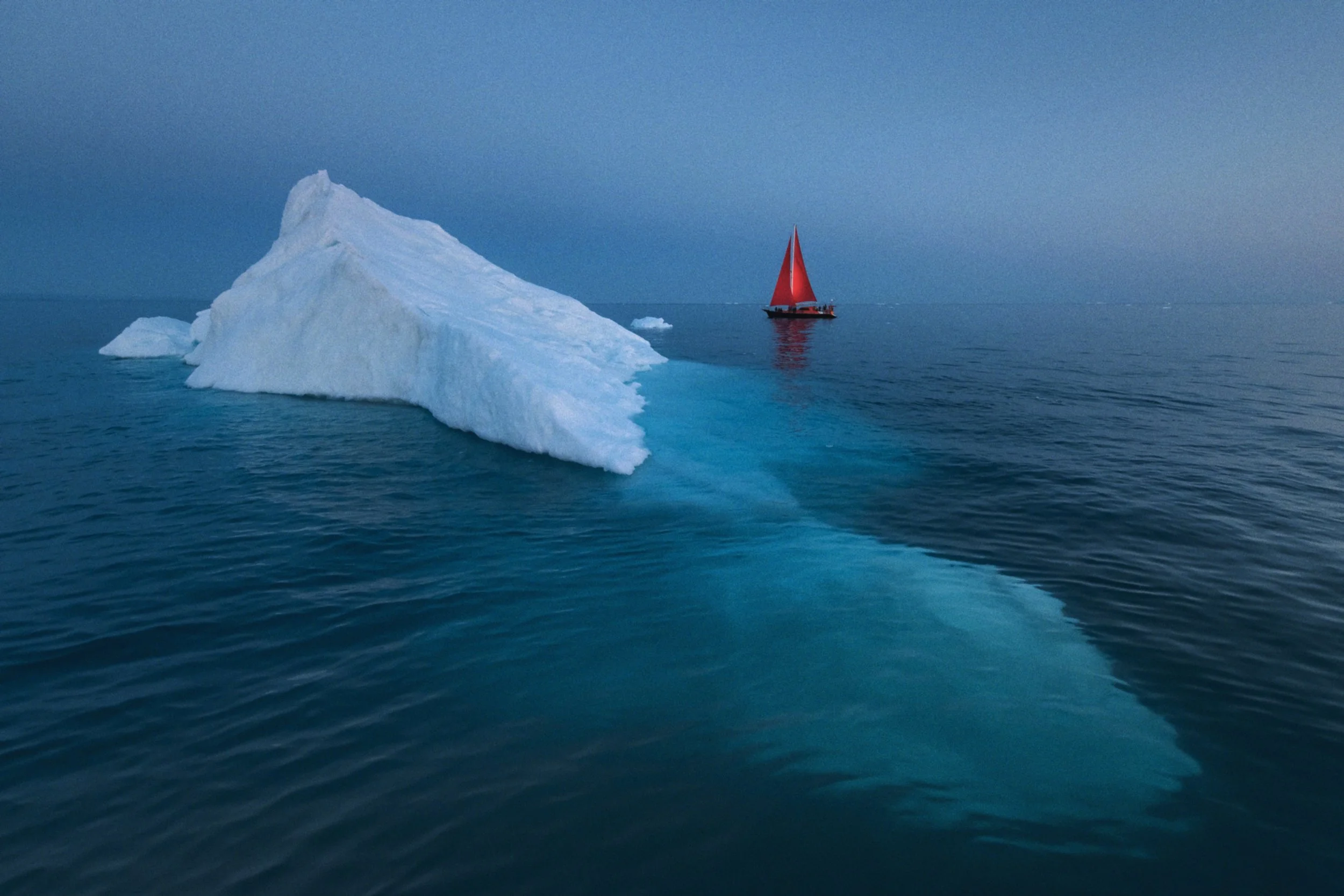
For decades, Greenland remained the final frontier for intrepid travelers — a legendary bucket-list destination protected by a fierce logistical moat. To witness the colossal ice fortresses of the north, travelers historically endured a grueling gauntlet of military-base landings, mandatory prop-plane transfers, and unpredictable weather delays. All of that has officially changed. The year 2026 marks the most transformative milestone in modern Arctic aviation, completely reshaping how the world connects with the planet's largest island. Thanks to the grand opening of monumental runway infrastructure overhauls, Greenland is throwing open its doors to direct, mainstream commercial flights.
The aviation milestone: Bypassing the bottleneck
The headline travel news centers on Kalaallit Airports’ three-airport expansion project, a massive national infrastructure achievement that brings large commercial narrowbody and widebody airliners directly to the island's primary hubs.
Nuuk capital airport gateway: The nation’s capital has dramatically lengthened its runway and unveiled a sleek, state-of-the-art passenger terminal. International jets from Europe and North America can now land straight in the capital city, bypassing the historic necessity of swapping planes at remote outposts.
Ilulissat international airport: The crown jewel of Greenlandic tourism — the gateway to the world-famous icebergs of Disko Bay — has officially opened its extended runway. Holidaymakers can now fly directly to the edge of the icefjord without the logistical headache of the domestic turboprop bottleneck.
Qaqortoq regional airport: Rounding out the three-airport master plan, this brand-new airport establishes a vital regional link, effortlessly connecting the dramatic landscapes of South Greenland to the expanding global network.
The cities of change: Where modernity meets the wild
Nuuk: The urban Arctic hub
With direct access unlocked, Greenland's primary hubs are experiencing an unprecedented cultural and adventurous boom. Greenland’s capital is rapidly evolving into a vibrant center for New Nordic cuisine, modern design, and indigenous expression.
Katuaq Cultural Centre: The architectural heart of the city, this iconic wave-shaped building — inspired by the shifting curtains of the Aurora Borealis — acts as the ultimate cozy haven, hosting intimate winter drum dancing, Nordic musical acts, and local art galleries.
The Nuuk fjord system: As the second-largest fjord network on earth, the waters surrounding the capital offer travelers epic marine safaris to view humpback whales, seals, and dramatic snow-dusted peaks rising straight from the sea.
Ilulissat & Disko Bay: The Kingdom of Ice
Sitting 250 miles north of the Arctic Circle, Ilulissat is the undisputed capital of raw Arctic beauty.
The UNESCO Icefjord: A literal moving highway of ice fed by the Sermeq Kujalleq glacier. Standing at the cliffside wooden boardwalks and listening to the thunderous, roaring silence of millions of tons of ice calving into the bay is a profoundly humbling experience.
Eco-Luxury frontiers: Iconic outposts like Hotel Arctic have elevated the region's hospitality, offering travelers the chance to watch skyscraper-sized icebergs drift past floor-to-ceiling glass windows while dining on locally sourced muskox and fresh-caught halibut.
Major annual highlights
The Nuuk Marathon (Late Summer): An incredibly challenging and scenic marathon that winds through the capital's colorful streets, rocky coastlines, and dramatic fjord backdrops.
Peak Aurora season (September–April): Because Greenland has virtually zero light pollution, its winter months offer some of the most vivid Northern Lights viewing on the planet, especially when paired with an overnight stay in an eco-luxury glass cabin overlooking the fjords.
Sisimiut & the Aasivissuit cultural landscape: As Greenland's second-largest city, Sisimiut is the premier hub for adventure travelers this year. It offers pristine winter dogsledding and snowmobiling, summer hiking along the Arctic Circle Trail, and tours of the Aasivissuit–Nipisat UNESCO site, which showcases 4,200 years of Inuit hunting history.
The winter expedition experience
While summer brings hiking along the legendary Arctic Circle Trail near the ancient hunting grounds of Aasivissuit, arriving during the dark polar nights flips the switch on a magical winter wonderland.
The return of the Lights: Because Greenland boasts virtually zero light pollution, its clear winter skies offer some of the most vivid, uninterrupted views of the Northern Lights on the planet.
Ancient traditions: Travelers can step directly into living history by heading into the backcountry on authentic dogsled expeditions, zipping across frozen lakes guided by local Inuit mushers just as hunters have done for thousands of years.
Concierge takeaway for the modern traveler
Because 2026 is the inaugural year for these direct international flight routes, global travel interest has surged to historic highs. Major carriers are aggressively expanding their seasonal timetables out of Copenhagen and Reykjavik. For travelers looking to seize this new era of smooth Arctic exploration, booking flight routes and eco-lodges 6 to 9 months in advance is the golden rule to securing a seamless journey into the ice.
8-Day "three gateways" Greenland Winter Expedition
An Arctic adventure using Greenland’s brand-new direct flight infrastructure is the ultimate bucket-list trip now. This curated 8-Day "Ice & Lights" Winter Expedition takes you straight into the capital of Nuuk, Qaqortoq hot springs, and the frozen wonderland of Ilulissat — completely bypassing the old multi-leg travel bottlenecks for a super cool winter journey.
Nuuk: The modern capital & deep fjords
Day 1: Arrival & new Nordic fine dining
Land directly at the newly expanded Nuuk International Airport and check into your room. Spend the afternoon exploring the wave-shaped Katuaq Cultural Centre to take in local Inuit art.
Stay: Hotel Hans Egede – The premier 4-star property right in the center of town.
Eat: Sarfalik Restaurant – Located on the top floor of your hotel, enjoy a high-end multi-course tasting menu featuring local wild musk ox, reindeer, and fresh-caught Arctic halibut with panoramic harbor views.
Day 2: Deep Fjord marine safari
Dress in heavy thermal layers and board a heated, covered water taxi for a marine expedition deep into the spectacular Nuuk Fjord system to spot seals and humpback whales against snow-capped peaks.
Eat: Inuk Café – A incredibly cozy waterside local gem famous for its rich Arctic fish soups, whale carpaccio, and outdoor terrace looking directly out at Sermitsiaq Mountain.
Qaqortoq: The viking heartland & hot springs
Day 3: Flight to the southern frontier
Catch a domestic flight south to the brand-new Qaqortoq Airport. Walk through the colorful, steep hillside streets to admire the Stone and Man open-air granite rock carvings.
Stay: Hotel Qaqortoq – Perched prominently on the hill overlooking the bustling, ice-dotted harbor.
Eat: Restaurant Heidi (at Hotel Qaqortoq) – The best kitchen in the south, serving organic, locally raised Greenlandic lamb chops and desserts made from wild-foraged crowberries.
Day 4: Norse ruins & geothermal pools
Take a morning boat tour to the Kujataa UNESCO World Heritage Site to explore the beautifully preserved 1,000-year-old stone ruins of Hvalsey Viking Church. In the afternoon, boat to Uunartoq Island to soak in 100°F (38°C) natural hot springs while watching icebergs drift past.
Eat: Pack a gourmet picnic lunch provided by the hotel for the hot springs. For dinner, head to Café Mik back in Qaqortoq for a relaxed, authentic local atmosphere and hearty whale burgers.
Ilulissat: The Kingdom of Ice
Day 5: Crossing the Arctic Circle
Fly north from Qaqortoq straight into the freshly extended runway at Ilulissat Airport. Check into your luxury accommodation and watch towering, skyscraper-sized icebergs float across Disko Bay right from your window.
Stay: Hotel Arctic – World-famous 4-star property offering architectural glass igloos right on the edge of the fjord.
Eat: Restaurant Ulo – The signature restaurant at Hotel Arctic, serving unparalleled gourmet Arctic cuisine right next to floor-to-ceiling glass windows framing the drifting ice.
Day 6: Trekking the highway of ice
Strap on ice spikes or snowshoes and hike the iconic wooden boardwalk trails leading to the edge of the thunderous, UNESCO-listed Ilulissat Icefjord.
Eat: Asimut – A uniquely charming peat-hut café located right along the hiking trail. Sit on cozy reindeer pelts and warm up with a hot specialty coffee and local pastries.
Day 7: Dogsled tradition & Northern Lights cruise
Meet a local Inuit musher and speed across the frozen backcountry lakes on an authentic dogsled. In the evening, take a night boat cruise to navigate the freezing sea ice of Disko Bay while the Northern Lights perform overhead.
Eat: Restaurant Hotel Icefiord – Features an on-site private smokehouse right on the shoreline. Order the exceptional house-smoked halibut, whale tartare, and local Arctic scallops.
Day 8: Farewell to the ice
Grab a final breakfast, pick up an authentic hand-carved tupilak talisman from a local artisan workshop, and head to the airport for your direct flight out.
Final concierge reminders
Reservations: Because Sarfalik (Nuuk) and Restaurant Ulo (Ilulissat) are the absolute top culinary destinations in the country, booking your tables concurrently with your hotel rooms is highly recommended.
Domestic flights: Air Greenland flights between the new hubs fill up incredibly fast during the prime winter aurora weeks. Try to lock in your multi-stop flight pass 6 to 9 months ahead.
Winter survival packing checklist
To stay comfortable in Arctic temperatures, you must layer correctly. Avoid cotton entirely!
Base layer: High-quality Merino wool thermal tops and bottoms.
Mid layer: Heavy fleece jacket and down sweater/gilet.
Outer layer: Windproof, waterproof expedition-grade parka and insulated snow pants.
Footwear: Rated winter boots (down to -20°F/-30°C) with good tread, plus packable ice spikes/crampons for walking on city streets.
Accessories: Wind-stopper gloves, heavy mittens to wear over them, a wool beanie, and a neck gaiter.