
Flying at the speed of light: How Starlink is quietly winning, United Airlines
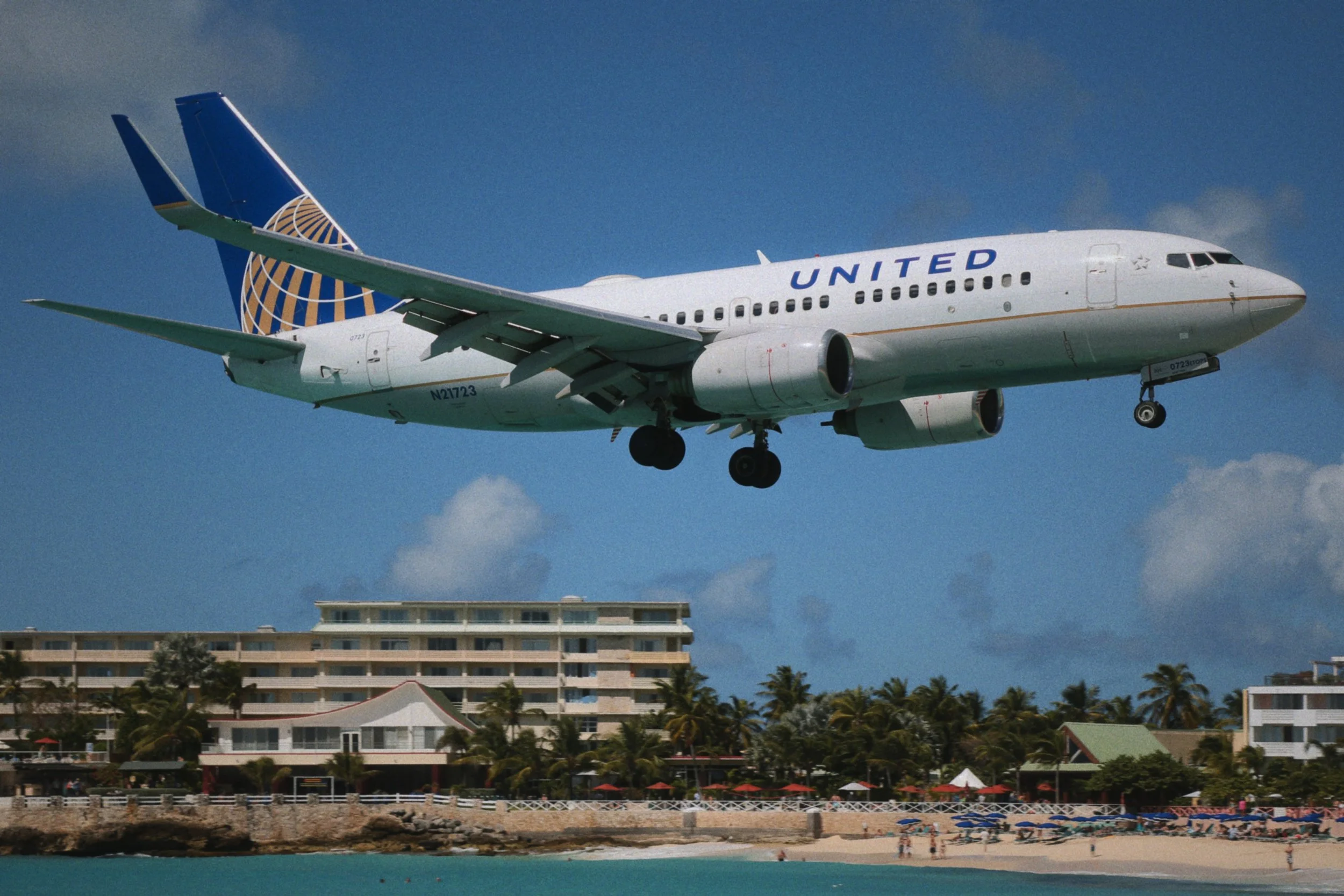
We’ve all been there: 35,000 feet in the air, trying to send a critical Slack message or stream the latest episode of your favorite show, only to be met with the dreaded spinning wheel of death. For decades, inflight Wi-Fi has been notoriously slow, frustratingly expensive, and completely unreliable.
But a quiet revolution is happening in the skies — and United Airlines just took a massive lead.
This week, the aviation world caught fire with the news that United has aggressively weaponized SpaceX’s Starlink technology, officially equipping a staggering 43% of its mainline fleet with high-speed Starlink Wi-Fi. Here is how low-Earth orbit satellites are changing the way we travel forever.
Bye-bye spinning wheel, hello gate-to-gate streaming
Traditional airline internet relies on geostationary satellites parked 22,000 miles above Earth. The result? Massive lag. Starlink, however, operates a constellation of thousands of satellites just 340 miles up. For passengers, this means a total game-changer. We are talking about free, gate-to-gate, high-speed internet capable of supporting: live, buffer-free video streaming, online gaming with zero lag, seamless video calls to the ground. United isn't just testing the waters; they are diving in headfirst. According to CEO Scott Kirby, the airline plans to hit 61% of departures by the end of this year, before achieving a completely connected, 100% Starlink-equipped fleet by the end of next year.
The traveler’s guide: Where the tech is flying
Because United operates on a hub-and-spoke network, your odds of stepping onto a freshly retrofitted, ultra-fast plane are highest on their absolute heaviest trunk lines. If you are flying through or between these mega-hubs this year, you are at the front of the line for the upgrade:
The transatlantic jump (Newark EWR — London Heathrow LHR): United’s crown jewel international route operates up to six daily flights. It is heavily prioritized for near-100% Starlink coverage to satisfy premium business traffic.
The transcontinental trunks (San Francisco SFO / Los Angeles LAX — Newark EWR): These premium cross-country lanes are packed with tech-reliant travelers, making them the first domestic routes to see rapid fleet retrofits.
The mid-continent rowerhouses (Chicago O'Hare ORD & Houston IAH): As United's largest connecting engines, these hubs are pushing massive volumes of Starlink-enabled aircraft across domestic and Latin American networks daily.
The ultimate travel hack: The Starlink roulette tracker
There is nothing worse than getting excited for high-speed internet only to board an older, un-upgraded plane. To fix this, United dropped a brilliantly transparent tool this week: the official Starlink tracker. Passengers can now plug their flight number into the tracker up to three days before departure to see exactly what kind of bird they are flying on. It turns booking a flight into a high-stakes game of "Wi-Fi Roulette" — and right now, the odds are heavily in the traveler's favor.
The sky-high petty wars: Delta is on the defensive
United’s aggressive rollout isn't just a win for consumers; it’s a brilliant tactical strike against its biggest rivals. To twist the knife, United launched a ruthless "Switch to better Wi-Fi" marketing campaign, offering instant, aggressive status-matches to elite frequent flyers willing to jump ship from other airlines. Meanwhile, competitors are scrambling: Southwest and American have hurried to sign their own upcoming Starlink contracts, realizing the landscape has permanently shifted. Delta Air Lines, long considered the gold standard for domestic premium travel, finds itself in a tough spot. Tied to Amazon’s Project Kuiper network, Delta won't even be able to begin installing their new high-speed systems until early 2028.
The verdict
The days of being disconnected from the world while crossing the ocean are officially numbered. United's aggressive gamble on Starlink has set a new baseline for what travel should look like. Inflight Wi-Fi is no longer a luxury add-on—it's an expectation. And right now, United is flying circles around the competition.