
Bucovina: Bears, blizzards, and ancient beats — inside the wildest winter spectacle you’ve never heard of
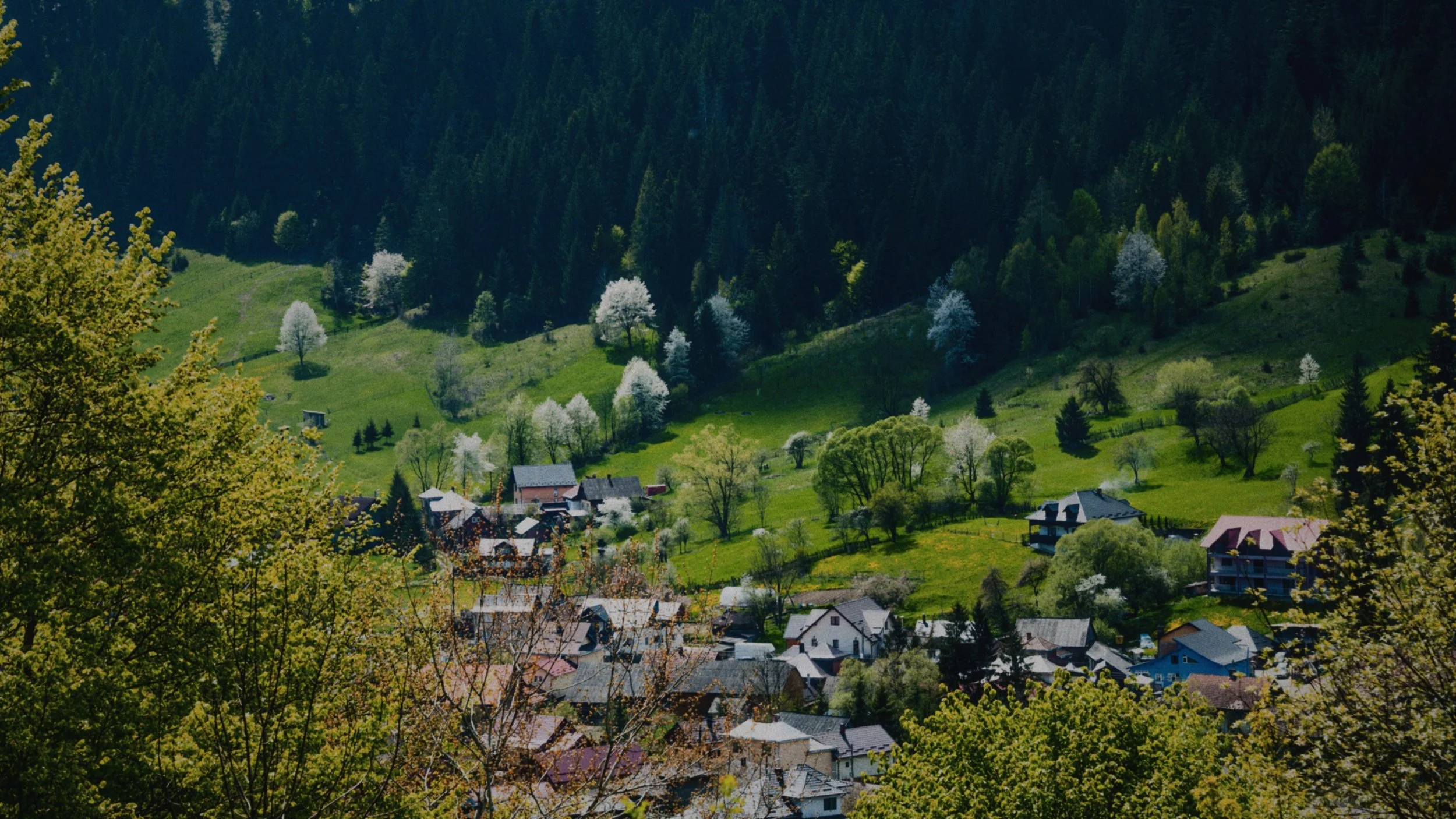
Bucovina is currently capturing travel attention because it serves as Romania's ultimate living cultural museum, where local traditions, nature-centric infrastructure, and seasonal winter spectacles are happening right now.
Winter traditions & mask parades
The absolute peak cultural event in Bucovina is the Traditional Christmas Mask Parades. Taking place in mid-to-late December (climaxing around December 12–24), towns like Suceava transform into massive open-air stages. Locals don elaborate, hand-carved pagan wooden masks, animal hides (representing bears and goats), and elaborate traditional costumes to dance through the streets to drive away evil spirits for the new year. It’s visually spectacular, intensely loud, and incredibly cinematic for photo-journalism.
The expansion of the Via Transilvanica
Bucovina is a primary gateway for the Via Transilvanica, Romania’s newly completed 1,400-kilometer mega-trail (often dubbed the "El Camino of Eastern Europe"). The Bucovina sections take hikers straight through ancient spruce forests, pristine mountain pastures, and past centuries-old homesteads. Because it is designed to stimulate sustainable rural tourism, hikers stay with local families in tiny villages, offering a rare look at an agrarian lifestyle that has completely vanished from Western Europe.
The intricate world of egg art
While most of the world associates decorated eggs with Easter, in Bucovina, the UNESCO-recognized Hutsul tradition of wax-resist egg painting is a year-round fine art. Villages like Vama and Ciocănești host masterclasses and museum showcases where artisans use sheep fat, beeswax, and delicate styluses to trace geometric and spiritual symbols onto hollowed eggs. It's a huge draw for experiential travelers looking to learn rare, ancestral crafts firsthand.
Restoring the UNESCO painted monasteries
The region's core crown jewels—the 15th-century painted monasteries of Voroneț, Sucevița, and Moldovița — are seeing a massive resurgence in "slow travel" popularity. These churches are completely covered in vivid exterior frescoes that have survived hundreds of years of harsh winters. The intense, secretive pigment known as "Voroneț Blue" (a shade of azure whose exact composition remains a mystery) is trending heavily among art and architecture creators online.
Autumn fairs & culinary exhibitions
If you are tracking immediate seasonal happenings, the region is currently holding its regional autumn harvest fairs and folklore markets. Local culinary exhibitions feature Bucovina's signature smoked trout cooked in pine needles, wild mushroom stews, and alivenci (a rich, baked sweet corn and cheese cake).
Best car rental options at Suceava Airport (SCV)
Because Bucovina’s hidden valleys lack dense public transit, picking up a car directly at the airport is the smartest move. For an optimal experience, look for local, highly rated agencies that provide seamless terminal pickups:
Top premium pick: Travis rent a car Suceava Airport: Located directly inside the airport terminal, they are highly praised by international travelers for their brand-new fleet, clear pricing, and fluent English-speaking staff. They specialize in standard and premium vehicles, as well as minibuses for larger groups.
Top local independent: DNC RENT-A-CAR Suceava: They are known for lightning-fast vehicle handovers right outside the terminal door. Travelers consistently note their zero-hassle return policy and pristine car conditions.
Highly rated regional agency: Klass Wagen Suceava: Located just 3 km outside the terminal with a free, open-24-hours shuttle service to their lot. They have an extensive fleet and frequently offer competitive online promos.
Tip: Book a car online in advance, always request a car with a higher ground clearance (like a compact SUV or crossover) and ensure full CASCO insurance is included. Some remote trail access points involve unpaved forest or gravel tracks.
Step-by-Step Hiking Itinerary: Via Transilvanica (Bucovina Section)
The Bucovina Section is the official starting zone of the 1,400km trail. This 2-day itinerary covers segments 1 and 2 — offering the perfect mix of deep forests, local shepherd hospitality, and architectural wonders.
Day 1: The inaugural gateway (Putna to Sucevița)
Distance: 11 miles (17.7 km) | Elevation Gain: 1,420 ft | Difficulty: Moderate/Gentle
Step 1 — The starting line: Park your rental car at the historic, 560-year-old Putna Monastery. Step up to the very first andesite milestone (each kilometer of the trail features a unique, hand-carved stone sculpture).
Step 2 — Into the woods: Follow the bright orange "T" markers painted on trees and stones. The path climbs smoothly through old-growth fir and spruce forests, passing a small natural spring with a communal drinking cup.
Step 3 — The descent to history: The trail breaks out into rolling highland pastures before dropping down into the village of Sucevița. Your endpoint is the magnificent, UNESCO-listed Sucevița Monastery, famous for its massive green-and-red biblical frescoes. Spend the night at a local village pensiune.
Day 2: The ridgeline challenge (Sucevița to Vatra Moldoviței)
Distance: 13.8 miles (22.2 km) | Elevation Gain: 3,540 ft | Difficulty: Hard (Strenuous)
Step 1 — The brutal climb: Leave your guesthouse early. The difficulty of this segment is front-loaded with a steep, exhausting forest scramble straight up to the Obcinele Bucovinei mountain ridge. Trekking poles are highly recommended here.
Step 2 — Walking the highland ridge: Once on top, the trail levels out into stunning, wide-open mountain meadows. You will hike past active Hutsul shepherd huts. If you encounter the shepherds, it is a local custom to purchase fresh, artisanal sheep cheese or hot polenta directly from them using cash (Romanian Lei).
Step 3 — The UNESCO blue climax: Descend via the Poiana Mărului region into the valley town of Vatra Moldoviței. Celebrate finishing the trek at the Moldovița Painted Monastery, renowned for its brilliant outer frescoes preserved since 1532. Take a local regional train or taxi back to your car at Putna, or utilize a luggage/passenger transfer arranged via your guesthouse hosts.